How to Produce a Booth with Beautiful, Neat, Exact Specs, and On-Time Completion

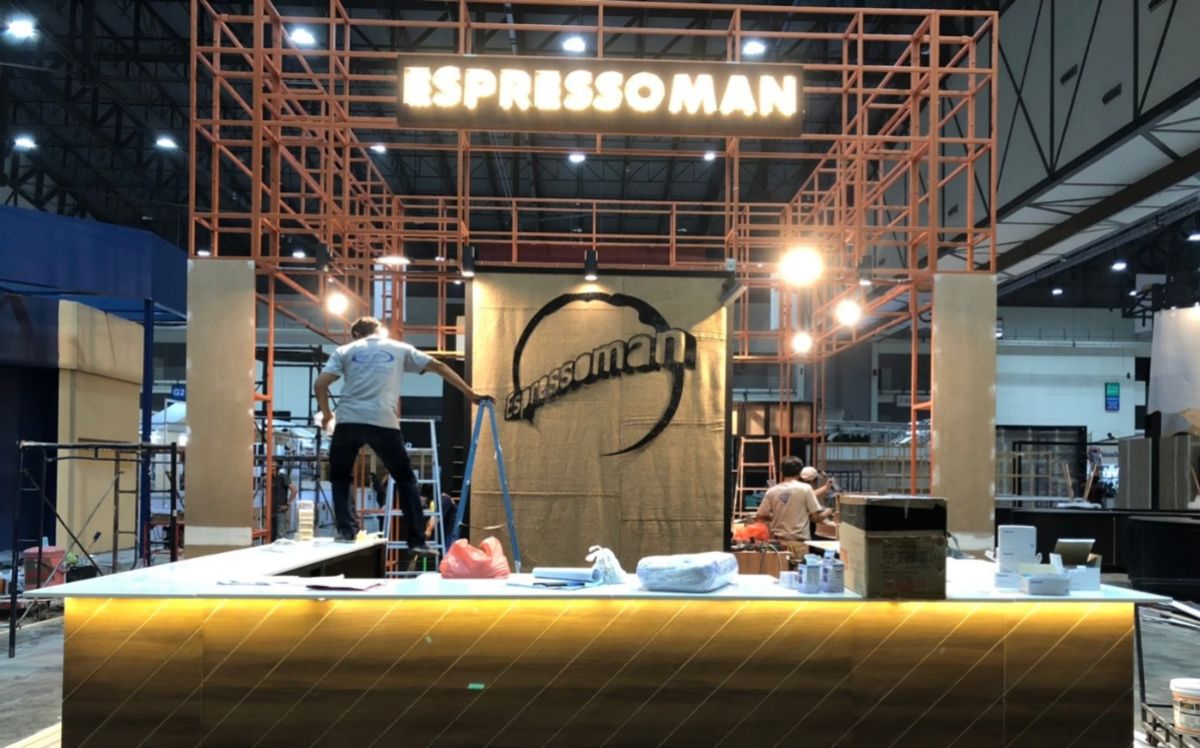
Choosing a booth contractor does not end with finding a team to build the structure. Clients want to see a real booth that accurately matches the approved design, with neat finishing details, exact material specifications, and ready for use on schedule. A single mistake can impact the brand image and result in lost business opportunities.
Before deciding to hire, evaluate more than just price and 3D renderings. A competent booth production company should understand how to translate designs into real-world structures, maintain inspection standards, use exact specifications to control materials, and manage coordination under strict venue deadlines.
This article outlines 4 key evaluation criteria for booth production, along with principles for choosing an experienced, reliable contractor with a coordination team that understands your requirements from briefing to delivery.
Good Booth Production Should Address 4 Main Concerns
|
Client Concerns |
Expected Results |
Verification Methods |
|---|---|---|
|
Actual work doesn't match the design |
Shape, proportions, colors, graphics, and key elements conform to the approved design |
Approved design drawing, production details, color/surface samples, and reference images |
|
Untidy / Unrefined work |
Surfaces, edges, joints, paintwork, graphics, and system concealment look clean and professional |
Detailed photos of past work, inspection criteria, and pre-delivery checklist |
|
Materials don't match specifications |
Materials and surface finishes strictly follow agreed lists; substitutions require prior approval |
Specification list, material samples, and change approval records |
|
Unfinished / Late delivery |
Production, installation, inspection, and critical defect fixes are completed before opening |
Production timeline schedule, assigned team leaders, and reporting of schedule-impacting issues |
This table is not a rigid production sequence, as each project varies in size, design, and requirements. However, these are clear outcomes to agree upon with the booth contractor before starting work.
How to Prepare Information for Consistent Quotations, Production, and Acceptance
Before requesting a quotation, prepare information that helps both you and the contractor understand the project equally: the latest design version, floor area dimensions, venue regulations, installation date and time slots, material and finish lists, graphics, products/equipment to be displayed, as well as the required scope of service. Unconfirmed items should be marked as assumptions or pending approval rather than left to individual interpretation.
The budget frame should define material quality, details, and service scope from the start. Verify what is included or excluded in quotations. If budget constraints conflict with design or specifications, adjust the scope transparently with mutual approval before production, rather than downgrading quality or changing materials later without client knowledge.
Establish acceptance criteria simultaneously, including reference drawings/specs, key inspection points, authorized approval personnel, and remaining buffer time for fixes before the event opens. This alignment ensures pricing, production, and final inspection share the same baseline.
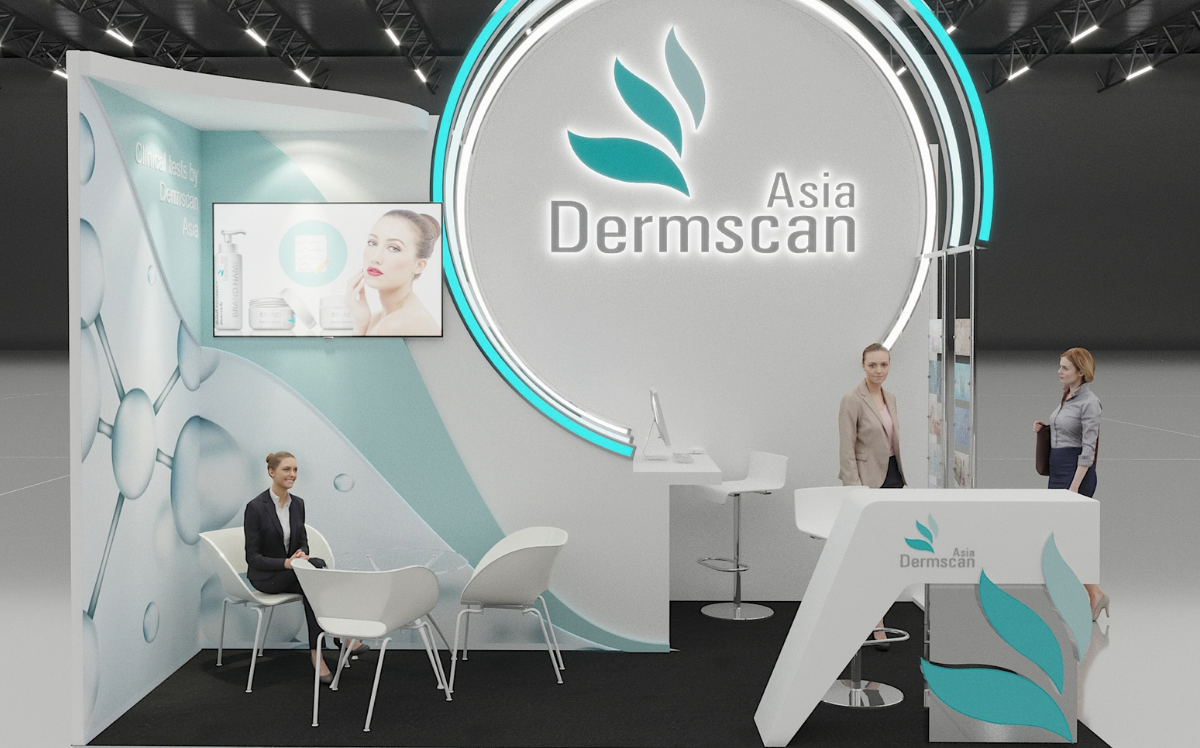
1. Beautiful Work Matching Design Starts with Understanding Real-World Translation
3D renderings demonstrate concepts and atmosphere, but do not resolve every production detail, such as modular panel division, joints, physical textures, graphic mounting points, equipment positions, or transport limitations. A booth contractor must interpret both design intent and site conditions to create detailed plans understood by production and installation teams.
Before starting, confirm the latest drawing version, non-negotiable key elements, and adjustable details constrained by manufacturing. This discussion preserves unique brand features while preventing on-site modifications that cause the final result to deviate from approved 3D images.
Key focus areas include:
- Brand impact: Distinctive shapes that create high brand awareness, recognition, and competitive advantage.
- Primary brand colors and surface textures in close-range viewing areas.
- Size and position of logos, text, and graphics.
- Placement of products, screens, demonstration units, and functional components.
- Layout relative to entrances and team working space.
If strategic floor plan layouts, demo zones, or negotiation areas require clarification, review Booth Layout Guidelines and Functional Design before finalizing production details. Fixing spatial issues after fabrication is far more restrictive than modifying designs on paper.
Experienced contractors explain how components are built, which details require physical sample sign-offs, and what limitations must be communicated to clients before proceeding with production.
2. Neat Work Cannot Be Judged by the Overall View Alone
A booth may look attractive from a distance, but as visitors approach, details on surfaces, edges, joints, and graphics reflect brand quality. Neat work does not mean over-decoration, but rather consistent control suitable for areas visitors see or touch up close.
Key inspection points in actual structures:
- Surface Finish: Smooth, even paint or laminate without distracting flaws.
- Edges & Joints: Edges, corners, and seams neatly finished according to material type.
- Graphics: Accurately mounted without typos, incorrect files, or misaligned graphics.
- Equipment Placement: Logos, signage, and hardware located as agreed.
- Utility Systems: Hidden wiring and system equipment neatly concealed.
- Functionality: Doors, cabinets, drawers, shelves, and moving parts operate smoothly for intended use.
- Cleanliness: Space is fully operational, clean, and free of debris prior to handover.
When evaluating a booth contractor's portfolio, inspect close-up photos of counters, paintwork, joints, signage, and equipment integration—not just wide-angle lit shots. Ensure sample projects match your required complexity and finish level.
3. Material Specifications
Materials sharing the same generic name can differ significantly in type, thickness, finish, color, and performance. Broad descriptions create mismatched expectations between clients and manufacturers. Maintain a shared specification list, especially for components impacting appearance, structural strength, and usability.
Confirmed lists should detail material types, surface finishes, reference colors/samples, application locations, and integrated graphic/equipment specifications. Detail levels should match component importance not every part needs equal complexity, but critical elements must remain traceable back to initial agreements.
Methods to mitigate material specification risks:
- Clearly specify materials and surface finishes in project documentation.
- Utilize color, texture, or print samples for brand-critical elements.
- Designate authorized personnel for material substitution sign-offs.
- Document all changes and impacts prior to execution.
- Use the identical list for pre-installation and pre-delivery inspections.
This systematic approach minimizes unnecessary paperwork while aligning clients, coordinators, and production teams on unified decision-making criteria.
4. On-Time Completion Results from Professional Coordination
Booth projects have strict, immovable deadlines dictated by venue move-in windows. Timeliness depends not only on fabrication speed, but also on design approvals, material confirmations, graphic handovers, equipment readiness, transport logistics, and multi-party coordination.
Booth production companies require experienced lead coordinators who foresee preparation challenges and communicate project milestones clearly across all teams and clients. Effective coordinators summarize key decision points for client approval and flag risks before they turn into site issues. A good coordinator does more than pass messages; they understand how a single change impacts interconnected project tasks.
Hallmarks of professional coordination:
- Clear single point of contact and communication channels.
- Written summaries of briefs, scopes, and pending items post-meeting.
- Shared use of the latest approved drawings and specifications.
- Explicit approval deadlines for client deliverables that impact production.
- Proactive reporting of issues, options, and timeline impacts prior to action.
- Coordinated installation plans, equipment delivery, and venue conditions.
- Allocated buffer time for inspection and key detail adjustments before opening.
If projects involve multiple stakeholders, defining roles—who designs, manufactures, supplies equipment, approves, and decides during issues—eliminates delays. Detailed service scope guidelines are available in One-Stop Service for Exhibition Booths.
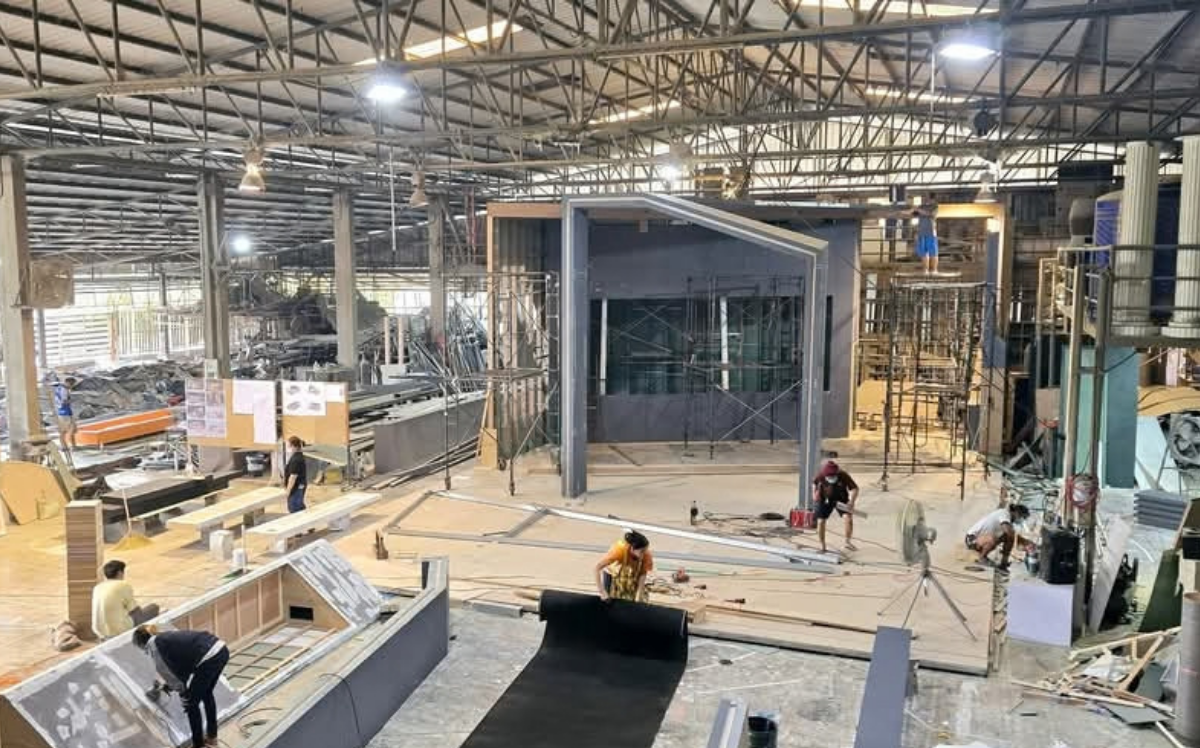
How to Choose the Right Booth Contractor for Your Project
Select contractors based on verifiable evidence aligned with project risks, rather than relying solely on the lowest quote, presentation graphics, or generic "one-stop service" claims. Use these criteria to evaluate quality control and deadline reliability:
Proven Experience
Years of industry experience ensure teams recognize limitations across designs, materials, venues, and site conditions. Look at both operational history and project relevance by reviewing past work of similar scale, product type, and detail level.
Extensive Portfolio Across Diverse Client Sectors
A strong portfolio demonstrates consistent quality under varying constraints across booth formats, industries, space sizes, and usage requirements. Inspect overall and close-up views while verifying specific contractor responsibilities.
Verifiable Awards and Recognition
Awards enhance credibility when award names, dates, and sources are fully verifiable. However, accolades should complement not replace thorough portfolio reviews, team evaluation, and scope checks.
Professional Coordinators Who Understand the Brief
Coordination quality is evident from initial discussions. Competent teams inquire about goals, brand identity, products, functionality, space, installation dates, and critical design features, summarizing key takeaways to ensure shared understanding.
Clear Operations Workflow from Briefing to Installation
A well-defined operational workflow clarifies source documentation, team roles, required approvals, and change-tracking procedures to bridge gaps between approved 3D visuals and physical structures.
Strengths of Bunjerd for Booth Design and Production
Applying the evaluation criteria above, Bunjerd provides transparent company data for client verification via its official website:
- Experience Since 2006: Continuous operation in brand building through design, trade shows, and events.
- 1,000+ Completed Projects: Cross-industry project experience equips teams to navigate diverse briefs and site constraints.
- Top Ten Best Brand Awards: Recognized continuously from 2017 to the present.
- One-Stop Service Team: Comprehensive services covering planning, design, production, installation, on-site support, dismantling, and storage per agreed scope.
- Professional Partnership Focus: Clear communication emphasizing deep understanding of client requirements.
Background details, project history, and awards are available on Bunjerd Corporate Information. Service details can be reviewed at Bunjerd Booth Design & Production Services. Published booth projects on the website also serve as reference models for initial consultations.
Checklist Before Selecting a Booth Contractor
- Verify contractor alignment on 4 core goals: design accuracy, neat execution, exact specifications, and on-time delivery.
- Request past work matching your project format and detail level.
- Inspect close-up photos of surface finishes, edges, joints, graphics, and equipment not just wide-angle shots.
- Confirm which drawing and specification versions govern production and inspection.
- Agree on approval workflows for materials, colors, finishes, and spec changes.
- Identify primary coordinators, detail inspectors, and site supervisors.
- Clarify included scope across production, transport, installation, dismantling, and post-event support.
- Ask how teams communicate schedule risks and timeline impacts.
- Evaluate experience, project volume, client track record, and awards using verifiable sources.
- Compare quality, service scope, accountability, and coordination alongside pricing.
Frequently Asked Questions About Choosing a Booth Contractor
1. What information should be provided before requesting a quotation?
Provide design drawings or concept images, space dimensions, event dates, venue location, exhibit products/equipment, material preferences, and requested service scope.
2. Are 3D renderings alone sufficient to start production?
3D images convey design concepts, but actual production requires confirming dimensions, structural details, material finishes, graphics, hardware, and venue constraints.
3. How can material specification downgrades be prevented?
Utilize standardized specification lists with physical reference samples, specify exact installation areas, and establish formal approval authority for substitutions.
4. How do you assess if a contractor produces neat work?
Inspect real project photos in both wide and close-up views, focusing on surface paint, edge seams, graphic alignment, system concealment, and functional joinery.
5. What should be done if specified materials are out of stock or delayed?
Contractors should present alternative options comparing aesthetics, functionality, cost, and lead times, securing written approval before proceeding with changes.
6. How far in advance should discussions with a booth contractor begin?
Initiate contact as soon as event dates and space dimensions are confirmed to allow thorough timeline planning, production, and pre-opening inspection buffers.
7. Why are experience and coordination as important as price?
Experience helps teams spot design limitations and site risks early, while effective coordinators align information across all parties to eliminate costly on-site errors.
Conclusion
Selecting a booth production contractor centers on achieving 4 essential outcomes: design accuracy, neat craftsmanship, exact specifications, and on-time delivery. Evaluate potential partners by examining their experience, portfolio, awards, coordination team, and quality assurance systems.
The ideal contractor clearly demonstrates how 3D designs translate into physical structures, enforces material controls, maintains rigorous inspection standards, and communicates transparently when managing project risks or schedules.
If you are preparing for an upcoming exhibition or event, Contact Bunjerd to discuss design, material quality, production scope, and installation schedules tailored to your project goals.
GET IN TOUCH
Our expert team will get back to you promptly.