What Is Function Design in Exhibition Booth Design? Combining Style and Practicality

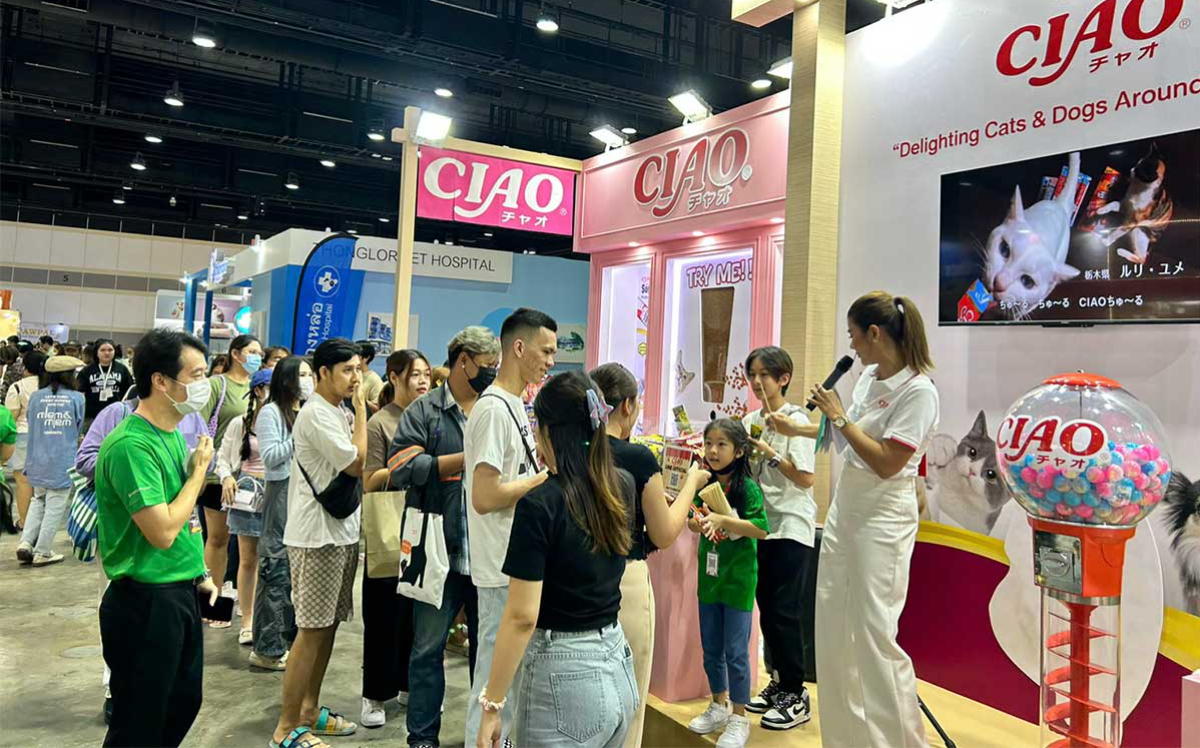
When exhibiting products or participating in events, an attractive booth alone may not be enough to capture visitors' attention. Function Design has therefore become an essential element of exhibition booth design, ensuring that a booth not only looks impressive but also communicates the brand effectively and supports real-world use. This article explores the meaning of Function Design, why it matters, and how to apply it to create exhibition booths that balance brand image, visual appeal, and functionality.
What Is Function Design in Exhibition Booth Design?
Function Design is an approach to design that prioritizes practical use, convenience, efficiency, and the suitability of a space for its intended purpose. In exhibition booth design, it means organizing the space to support brand communication, attract attention, and accommodate visitor behavior effectively. This includes everything from positioning promotional materials to planning visitor routes. Without this approach, a booth may look impressive but fail to perform effectively. Function Design is therefore essential to achieving a successful balance between functionality and visual appeal.
Key Elements of Function Design in Exhibition Booths
Once the concept of Function Design is understood, the next step is to consider the key elements that make a booth effective, practical, and consistent with the brand's image.
Space Planning and Functional Zones
One of the core principles of Function Design is allocating booth space appropriately. The layout should reflect the main activities taking place while maintaining sufficient space between different zones. This helps visitors feel comfortable, move around freely, and engage with the brand without interruption. Effective booth design should prioritize practical usability and create a positive visitor experience not simply look good on a floor plan.
Planning Visitor Flow
Visitor flow is another essential aspect of Function Design. Carefully positioning entrances and exits and arranging activity zones in a logical sequence helps visitors discover important products and information while gaining a clear understanding of the brand. Effective booth design should guide visitors along a natural route that sparks interest, encourages exploration, and motivates them to spend more time at the booth.
Easy Access to Products and Information
Making advertising materials, catalogs, and displayed products easy to access is essential for helping visitors understand a brand and increasing the chances of converting interest into sales. Poor placement, narrow spaces, or visual obstructions can prevent visitors from engaging with products and may result in missed sales opportunities or ineffective communication with the target audience.
Aligning Lighting, Sound, and Focal Points with Your Objectives
Lighting and sound are more than decorative features. They help establish an atmosphere and direct attention to key areas. For example, spotlights can highlight featured products, while engaging audio or presentations can draw visitors toward the booth. Effective exhibition booth design requires lighting and sound choices that support the brand's objectives and enhance the overall visitor experience.
Common Problems Caused by Poor Function Design
Many booths focus heavily on their external appearance. However, neglecting Function Design can lead to practical problems that directly undermine a brand's objectives.
Overcrowded Booth Space
Without proper functional planning, a booth may feel too small or contain more furniture than necessary. This can make visitors uncomfortable, discourage them from entering, and prevent them from accessing displayed products or important information effectively.
A Beautiful Booth That Does Not Work in Practice
Some booths have striking designs and create an excellent first impression but lack space for conversations or business meetings, seating for visitors, or storage for documents and sales equipment. Without effective Function Design, a booth may be unable to accommodate the activities it was created to support.
Misalignment with Brand Communication Objectives
Another common mistake is creating a visually attractive booth that fails to communicate the brand's message or image clearly. For example, a brand that wants to appear friendly may end up with a booth that feels excessively luxurious. A brand seeking to emphasize technology may fail to showcase relevant products or innovations prominently. These issues indicate that the booth's functional and visual design has not been aligned with the brand's objectives.
How to Improve Exhibition Booth Design Through Function Design
To avoid these problems and maximize the effectiveness of your booth, consider the following practical approaches to functional design.
Define Your Event Objectives and Target Audience
Before beginning any exhibition booth design project, establish clear objectives. These might include launching a new product, collecting leads, or increasing sales during the event. Next, identify your primary target audience so that the design can address their needs. Function Design helps translate these objectives into a practical layout and functional features that support the intended outcomes.
Plan Space and Budget Efficiently
Effective booth design does not always require a large budget. The key is to make the most of available resources. Consider reusable materials or modular structures that can be assembled and dismantled for future events. Combining functional planning with thoughtful cost management helps create a booth that meets practical requirements while staying within budget.
Use Technology to Enhance Design and Functionality
Technology can significantly enhance the effectiveness of Function Design. Touchscreens can present product information, while augmented reality (AR) and virtual reality (VR) can provide immersive product experiences. These solutions can attract visitors, encourage engagement, and support more effective data collection.
Collaborate with Specialists from Different Disciplines
Successful exhibition booth design rarely comes from a designer working alone. It requires collaboration among professionals in marketing, architecture, engineering, lighting, audio, and project management. Function Design delivers its greatest value when these different areas of expertise are brought together to create a space that works effectively in practice.
Conclusion
Function Design is a fundamental element of exhibition booth design, helping brands achieve the right balance between aesthetics and practical usability. Businesses that want to stand out at exhibitions should incorporate functional planning from the earliest stages of the project. A well-designed booth is more than a temporary display space it is a business tool that can communicate brand value, improve visitor engagement, support business objectives, and deliver meaningful results.
GET IN TOUCH
Our expert team will get back to you promptly.