Looks Aren’t Enough: Why Great Exhibition Booths Must Be Designed Around the Customer Journey

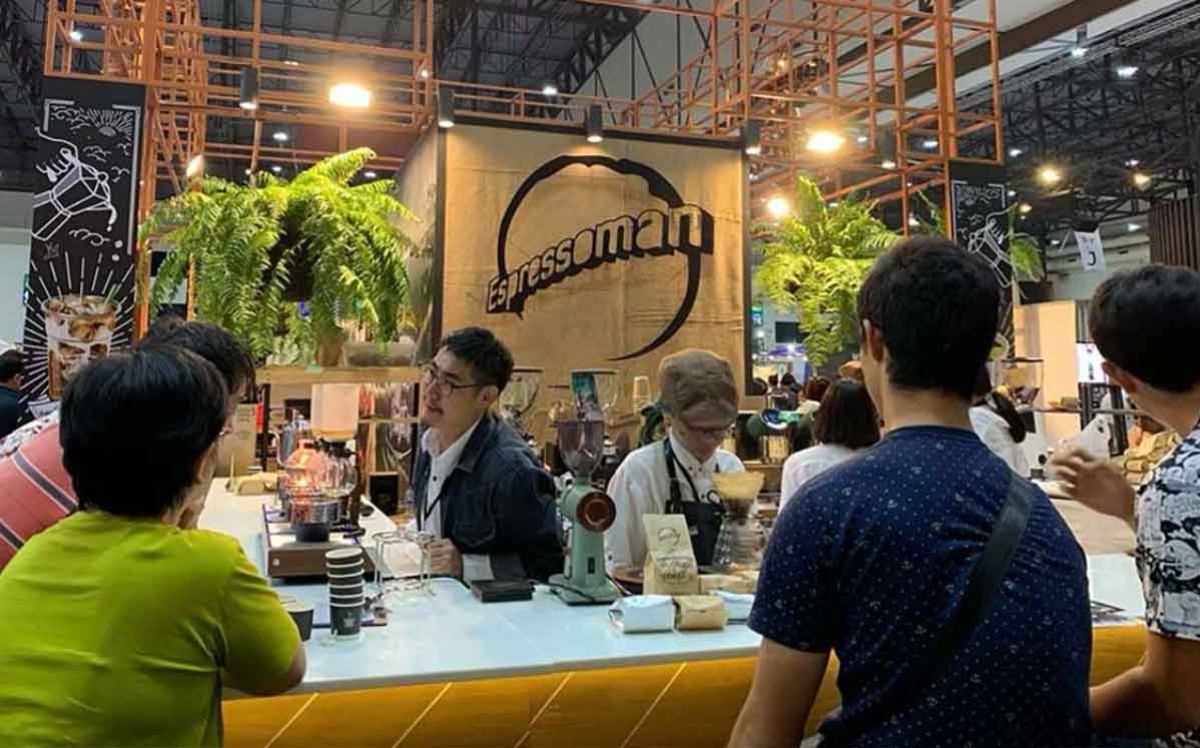
In an era when consumers have countless options and access to an overwhelming amount of information, competition is no longer about visual appeal alone. It is about delivering memorable experiences that meet customers’ needs at every stage of their journey. This is why exhibition booth design should begin with a thorough understanding of the customer journey. Every square inch of a booth should serve a purpose beyond aesthetics, addressing visitors’ behaviors, expectations, and needs.
What Is the Customer Journey, and How Does It Relate to Exhibition Booth Design?
The customer journey is a map of the entire process a customer goes through, from discovering a brand or product to making a purchase, returning for repeat purchases, and ultimately becoming a loyal customer. In the context of trade shows and exhibitions, the customer journey can also be mapped to the visitor’s experience at a booth, covering the stages before, during, and after the event.
Understanding the customer journey at an exhibition helps us see how visitors interact with a booth, from the moment they first walk past it. What catches their attention? What questions do they have? What needs can the brand address? And what are they likely to do next? Designing a booth around an exhibition visitor journey map is therefore about more than displaying products attractively. It involves arranging every element—including display areas, information points, product demonstration zones, and payment counters—to align with visitor behavior. The goal is to create a seamless experience that guides visitors toward the desired outcome.
Why Is Journey Planning Important Before Design Begins?
Designing an exhibition booth without planning the customer journey is like sailing a ship without a map. No matter how impressive the ship looks, it may never reach its intended destination. Journey planning is essential for several reasons.
Understand Visitor Paths to Create a Clear Communication Strategy
Understanding what visitors are likely to see first allows us to plan communication strategically from the very beginning. This can include designing large signs and posters that attract attention from a distance, as well as preparing detailed information in areas where visitors are more likely to engage. Journey planning also helps prioritize the information presented at each stage for example, highlighting special offers to capture initial interest, then providing more in-depth product details once visitors show genuine interest.
Create a Seamless Experience and Encourage Engagement
When the customer journey is carefully considered in the booth layout, visitors can explore the space comfortably and intuitively. From an inviting entrance to well-organized displays that tell a compelling story and demonstration areas where visitors can try products firsthand, every touchpoint contributes to a positive experience. These experiences encourage visitors to engage more deeply with the brand and help build positive brand perceptions over time.
Increase Conversion Opportunities and Capture Valuable Data
A booth designed around the customer journey makes it easier to establish clear calls to action (CTAs). These might include signing up to receive a giveaway, scanning a QR code to download a catalog, or making a purchase or booking directly at the event. The information collected through these interactions can also support follow-up marketing activities after the exhibition.
Reduce Confusion and Create a Strong First Impression
A journey-focused booth has clearly defined zones and an intuitive visitor flow. Visitors can easily understand where to begin and where to go next, without feeling confused or overwhelmed. A positive first impression creates a lasting impact and helps the brand stand out in visitors’ minds long after the event.
How to Design an Exhibition Booth Around the Customer Journey
Incorporating the customer journey into exhibition booth design does not have to be complicated. It simply requires a systematic approach from the outset. Here are some key principles to consider.
Organize Booth Zones Around Visitor Behavior
Dividing the booth into zones based on visitor behavior helps create a smooth and engaging experience. Start with an Attraction Zone at the front of the booth, using large visuals, videos, or engaging live demonstrations to capture attention from a distance.
Next, create an Exploration Zone where visitors can discover products and learn more about the brand. This area might feature product samples, informative displays, or interactive screens.
The next area is the Engagement Zone, where visitors can interact more closely with products through live demonstrations, product trials, or hands-on experiences.
Finally, establish a Conversion Zone in a slightly quieter area, with consultation tables or payment counters. This gives visitors who are ready to make a purchase a comfortable and convenient place to complete the process.
Structure the Booth Around the Stages of the Customer Journey
An exhibition booth can be designed to reflect the customer journey from beginning to end through the following stages:
- Awareness: Create a distinctive booth that attracts attention from a distance, supported by clear and highly visible signage.
- Consideration: Provide relevant, comprehensive product information and knowledgeable staff who can answer questions and offer guidance.
- Conversion: Give visitors opportunities to try products and present compelling special offers that encourage purchase decisions.
- Loyalty: Encourage visitors to register for updates, join a membership program, or receive exclusive post-event benefits to build long-term relationships.
Create a Clear Flow That Guides Visitors to Key Touchpoints
The layout and placement of booth elements should establish a clear flow that naturally guides visitors toward important touchpoints. For example, place attention-grabbing displays at the front, follow them with engaging product demonstrations, and position consultation or sales areas further inside the booth. This approach encourages genuinely interested visitors to spend more time interacting with the brand.
Tools and Technologies That Enhance the Customer Experience
In today's digital era, effective booth design can also leverage technology to enhance the customer journey and collect valuable insights.
Pre-Event Registration and On-Site Tracking
Encouraging visitors to register before the event provides valuable preliminary information about attendees. On-site tracking can then help identify which areas of the booth attract the most attention and where visitors spend the most time. These insights can be used to evaluate visitor behavior and improve booth design for future exhibitions.
Interactive Screens, AR, and VR to Encourage Engagement
Interactive screens and immersive technologies such as augmented reality (AR) and virtual reality (VR) can create exciting opportunities for visitor engagement. They allow visitors to experience products in innovative, interactive, and memorable ways, helping the brand deliver a distinctive experience that stands out from the competition.
Collect Customer Feedback to Measure the Experience
Providing dedicated points where visitors can share feedback or rate their booth experience helps brands gather valuable insights. This information can guide future improvements and provide a clearer understanding of how visitors perceive the booth. Collecting feedback also makes it easier to evaluate the success of booth design from the customer's perspective.
Conclusion
Creating a successful exhibition booth is no longer just about making it look impressive. It is about understanding and responding to customers' needs at every stage of their journey. Planning the customer journey from the beginning ensures that a booth does more than attract attention it communicates effectively, delivers meaningful experiences, and creates lasting impressions. Ultimately, these experiences can help turn exhibition visitors into loyal customers. Investing time in understanding customers before starting the design process is therefore a key to creating lasting satisfaction and stronger brand relationships.
GET IN TOUCH
Our expert team will get back to you promptly.