Modern Exhibition Booth Design with Hyper-Personalization: Captivate Your Audience with Data-Driven Insights

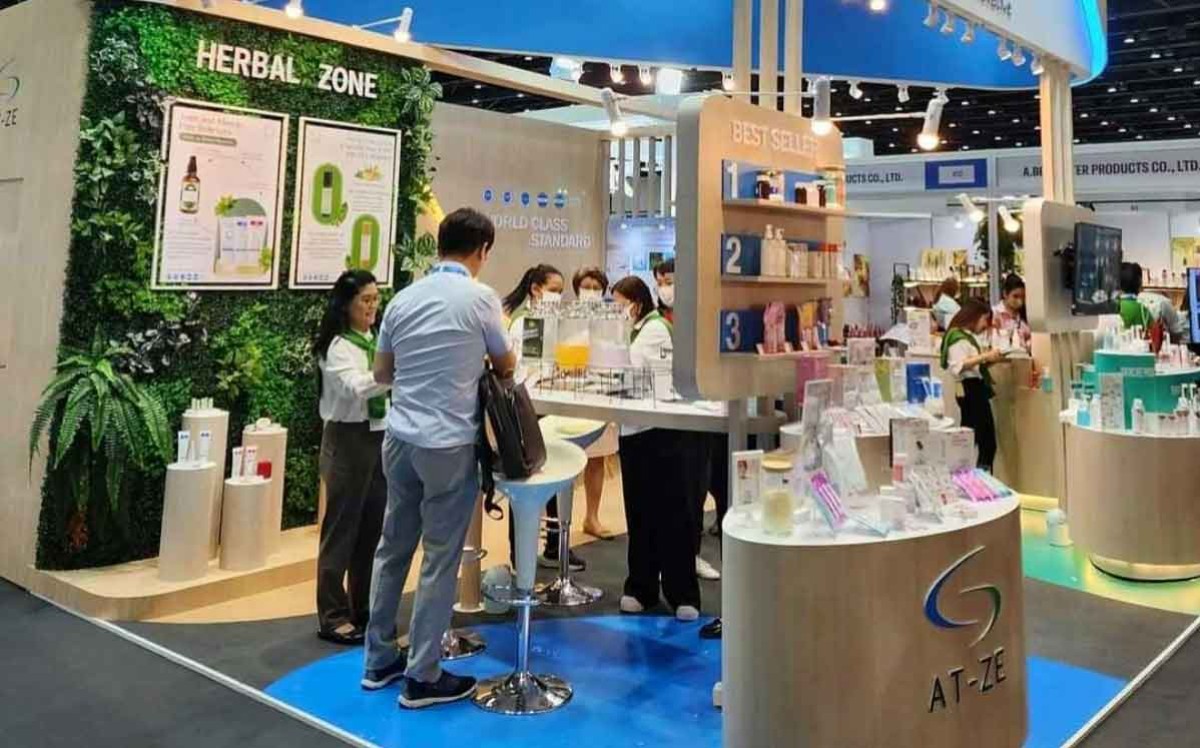
In today's data-driven and increasingly competitive marketing landscape, capturing customers' attention is no longer easy. This is especially true at trade shows and exhibitions, where numerous brands compete for visitors' attention. Standing out and delivering memorable experiences have therefore become essential. This is where hyper-personalization comes into play. By incorporating hyper-personalization into exhibition booth design, businesses can create distinctive experiences that resonate with their audiences on a deeper level. Let's explore what hyper-personalization means and how it can be applied to modern exhibition booth design.
What Is Hyper-Personalization, and Why Does It Matter in the Exhibition Industry?
Hyper-personalization takes traditional personalized marketing to the next level. While conventional personalization typically relies on basic information such as gender, age, or purchase history, hyper-personalization uses deeper, real-time insights including online behavior, interactions with a brand, and contextual signals to deliver genuinely individualized experiences.
In the exhibition industry, this means booth design must go beyond visual appeal and attention-grabbing displays. Modern booths should be flexible, adaptable, and capable of presenting different content or activities based on the interests and characteristics of individual visitors. In an age when technology empowers consumers to choose what they want, where they want it, and when they want it, collecting and analyzing behavioral data has become an essential way to understand customers and create more relevant, personalized experiences.
Designing Exhibition Booths Around Visitor Data
Implementing hyper-personalization begins with collecting sufficient and relevant data from multiple sources, such as pre-event registration forms, website behavior, and social media interactions. When this information is integrated with a Customer Relationship Management (CRM) system, businesses can gain a clearer understanding of their target audiences and their interests.
This allows exhibition booth design to move beyond a one-size-fits-all approach. Content, product displays, and visitor experiences can be tailored to different audience segments. For example, visitors interested in technology might be offered interactive experiences, while those focused on promotions could be presented with relevant special offers. Booth interiors can also be organized to accommodate different customer groups, such as dedicated areas for returning customers or product introduction zones for first-time visitors. These are practical applications of personalized marketing that can transform the way modern exhibition booths are designed.
Technologies That Enable Hyper-Personalized Booth Experiences
RFID, QR Code Tracking, and Facial Recognition
These technologies can help businesses identify visitors and understand their interactions with a booth. When visitors scan a QR code to register or wear a badge equipped with an RFID chip, the system can link their registration information to their booth interactions, where the technology and setup permit. This can help businesses deliver relevant content in real time. Facial recognition technology may also be used in certain applications to estimate characteristics such as age or gender and tailor displayed content accordingly. Any use of identification or biometric technologies should be designed with appropriate consent, transparency, and privacy safeguards.
Dynamic Displays That Adapt Content to Their Audience
Modern displays equipped with cameras or sensors can detect the presence of visitors and adapt their content based on available audience signals. For example, when a visitor interested in beauty products approaches a display, the screen could present a relevant beauty product video. This approach makes booth communication more contextual and engaging, helping visitors discover content that is more relevant to their interests.
Chatbots and Registration Systems Integrated with CRM
Integrating chatbots and pre-event registration systems with a CRM platform enables businesses to communicate with customers more effectively. With appropriate access to relevant customer history and preferences, staff or automated systems can provide more informed responses and personalized product or service recommendations. This creates a smoother interaction and helps visitors find the information they need more easily.
Benefits of Hyper-Personalized Exhibition Booth Design
Investing in hyper-personalized booth experiences can do more than differentiate a brand from its competitors. It can also deliver several valuable business benefits.
Increase Engagement and Time Spent at the Booth
When visitors find that a booth's content and experiences match their interests, they are more likely to spend additional time exploring the space and participating in activities. Visitor engagement and dwell time can serve as useful indicators of how effectively a booth attracts and holds attention.
Build Personalized Connections and Show Customers You Care
Experiences tailored to individual interests can help visitors feel that a brand understands and values their needs. When personalization is relevant and respectful, it can strengthen customer relationships, improve brand perception, and encourage long-term loyalty.
Increase Sales Opportunities and Generate Higher-Quality Leads
When visitor data is organized and analyzed effectively, businesses can better identify promising prospects and tailor their conversations to specific needs. This can improve the chances of generating qualified leads and closing sales during an event, while also creating opportunities for follow-up engagement and future business.
Important Considerations When Collecting and Using Data
Although data plays an important role in hyper-personalization, it must be collected and used responsibly. Businesses should balance personalization with transparency, privacy, and respect for visitors' preferences.
Obtain Consent and Store Data Securely
Businesses must comply with applicable personal data protection laws and handle visitor information responsibly. Visitors should be clearly informed about what data is being collected, why it is being collected, and how it will be used. Appropriate consent mechanisms should be provided where required, and robust security measures should be implemented to protect personal information from unauthorized access or disclosure.
Avoid Over-Personalization That Makes Visitors Feel Watched
Hyper-personalization should be implemented thoughtfully and in moderation. If visitors feel that they are being constantly monitored or that their privacy is being invaded, they may become uncomfortable and lose trust in the brand. Personalization should feel helpful and relevant rather than intrusive.
Use Data to Enhance the Experience, Not Interrupt It
Data should be used to make the visitor experience more valuable and convenient. Businesses should avoid sending unsolicited promotional messages or interrupting visitors with unnecessary communications. The goal is to provide meaningful interactions that respect visitors' choices and improve their overall experience.
Conclusion
Hyper-personalized exhibition booth design is more than a passing trend; it represents an increasingly important direction for the exhibition industry. By combining data, technology, and personalized marketing strategies, brands can communicate more effectively and deliver experiences that are relevant to individual visitors.
Designing with a genuine understanding of the audience can do more than increase engagement. It can also foster stronger relationships and a deeper understanding between brands and customers. This approach gives businesses new opportunities to move beyond traditional booth design, create meaningful connections, and achieve greater success in the competitive exhibition landscape.
GET IN TOUCH
Our expert team will get back to you promptly.